




Printing · 3 min read
Foil, embossing and spot UV. When special finishes are worth it
Foil, embossing, debossing, spot UV and lamination explained: how each looks and feels, and which jobs suit them, from visiting cards to luxury gift boxes.
Jais Brandworks · Lower Parel, Mumbai ·
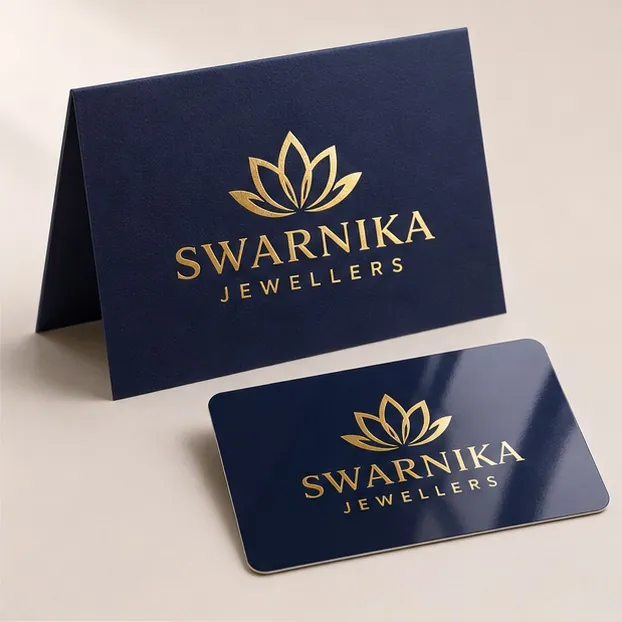
Print a logo in ink and people see it. Add a finish and people feel it too. That’s why a gold-foil visiting card gets a second look and a plain one doesn’t. Finishes aren’t right for everything, though, and a box covered in effects can look more confused than premium.
Here’s what each finish does and where it earns its place.
Foil stamping
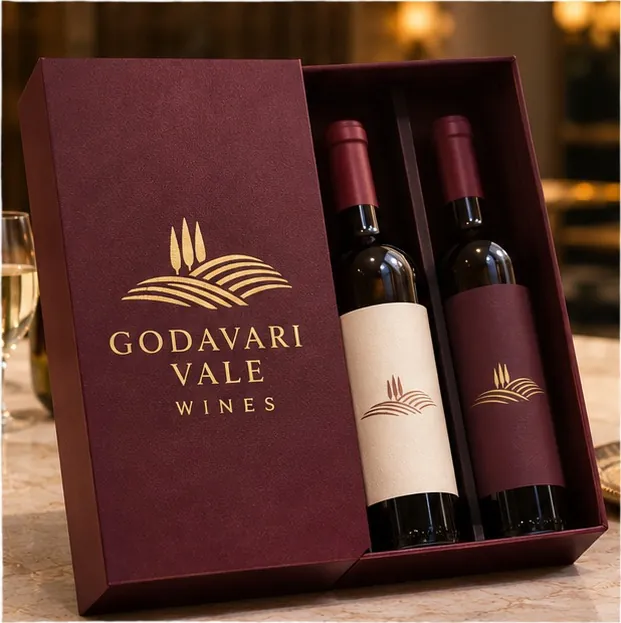
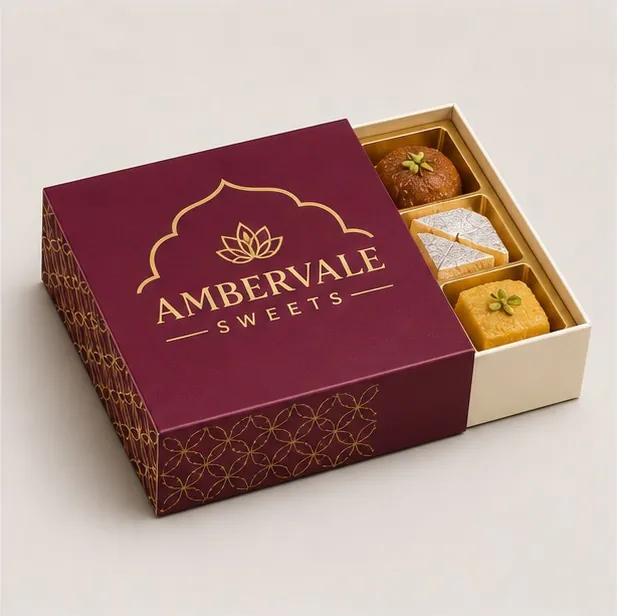
Foil is a thin metallic or coloured film pressed onto the paper with heat. Gold and silver are the classics. Rose gold, copper, holographic and coloured foils are also available.
What it looks like: a sharp, shiny, reflective logo or line that catches the light.
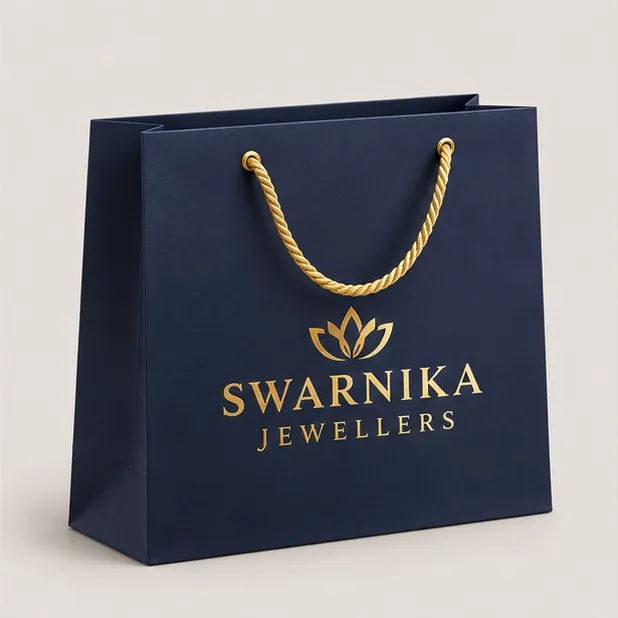
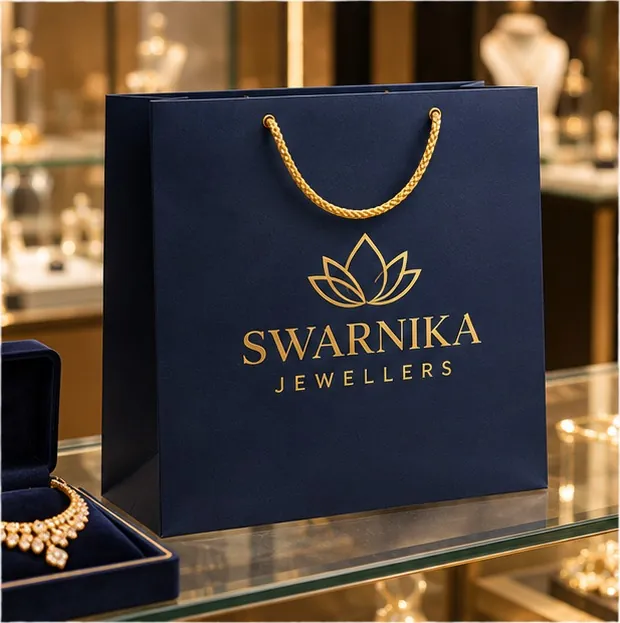
Good for: visiting cards, gift boxes, luxury bags, wedding invitations, certificates and Diwali packaging.
Watch out for: very fine detail and tiny text, which can fill in. Foil works best on solid shapes and lines with a bit of weight.
Embossing and debossing
Embossing presses the design up from the back so it stands out from the surface. Debossing presses it in. Both use a custom-made die.
What it looks like: a raised or recessed logo you can feel with your fingers. It can be done on its own (blind emboss) or combined with foil or ink.
Good for: visiting cards on thick card, letterheads, invitations, box lids and premium folders.
Watch out for: thin paper, which can’t take a deep emboss, and the back side, which shows the reverse of the shape.
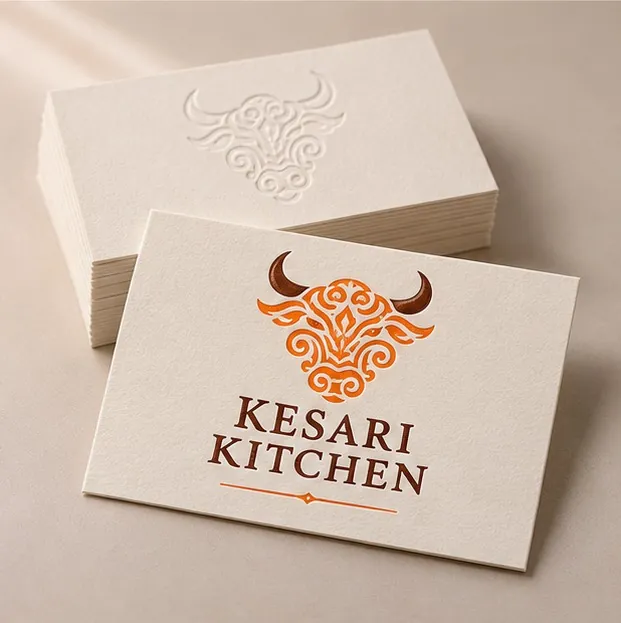 Embossed visiting cards. Brand shown is a sample.
Spot UV
Spot UV is a clear, glossy coating printed only on selected areas, like the logo or a pattern. It’s usually used on top of matte lamination, so the gloss stands out against the matte background.
What it looks like: a shiny logo or pattern on a soft matte surface. Subtle in some light, very visible in others.
Good for: brochure covers, catalogues, box lids, visiting cards and presentation folders.
Watch out for: small detail and tight registration. Spot UV needs to sit exactly on top of the print, so very fine lines are harder.
Lamination
Lamination is a thin film over the whole printed surface.
- Gloss lamination makes colours brighter and shinier.
- Matte lamination gives a soft, smooth, more premium feel and cuts glare.
- Soft-touch (velvet) lamination feels almost like suede.
It also protects the print against scuffs, moisture and handling, so it’s common on menus, boxes, luxury bags and catalogue covers.
Die-cutting
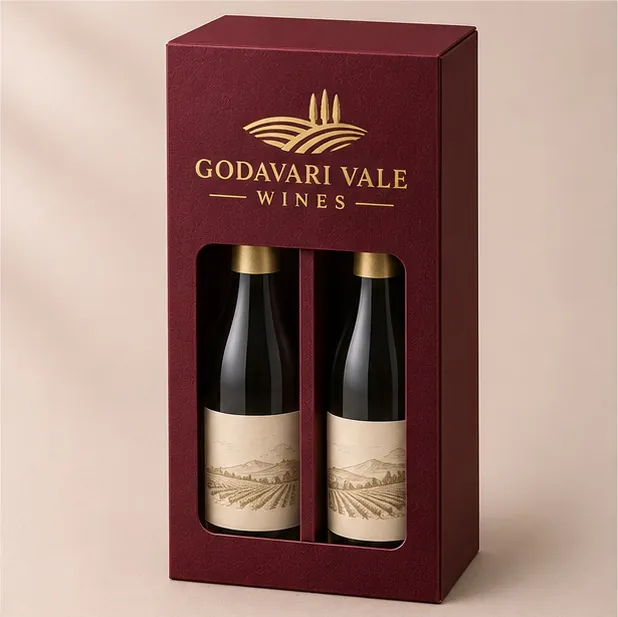
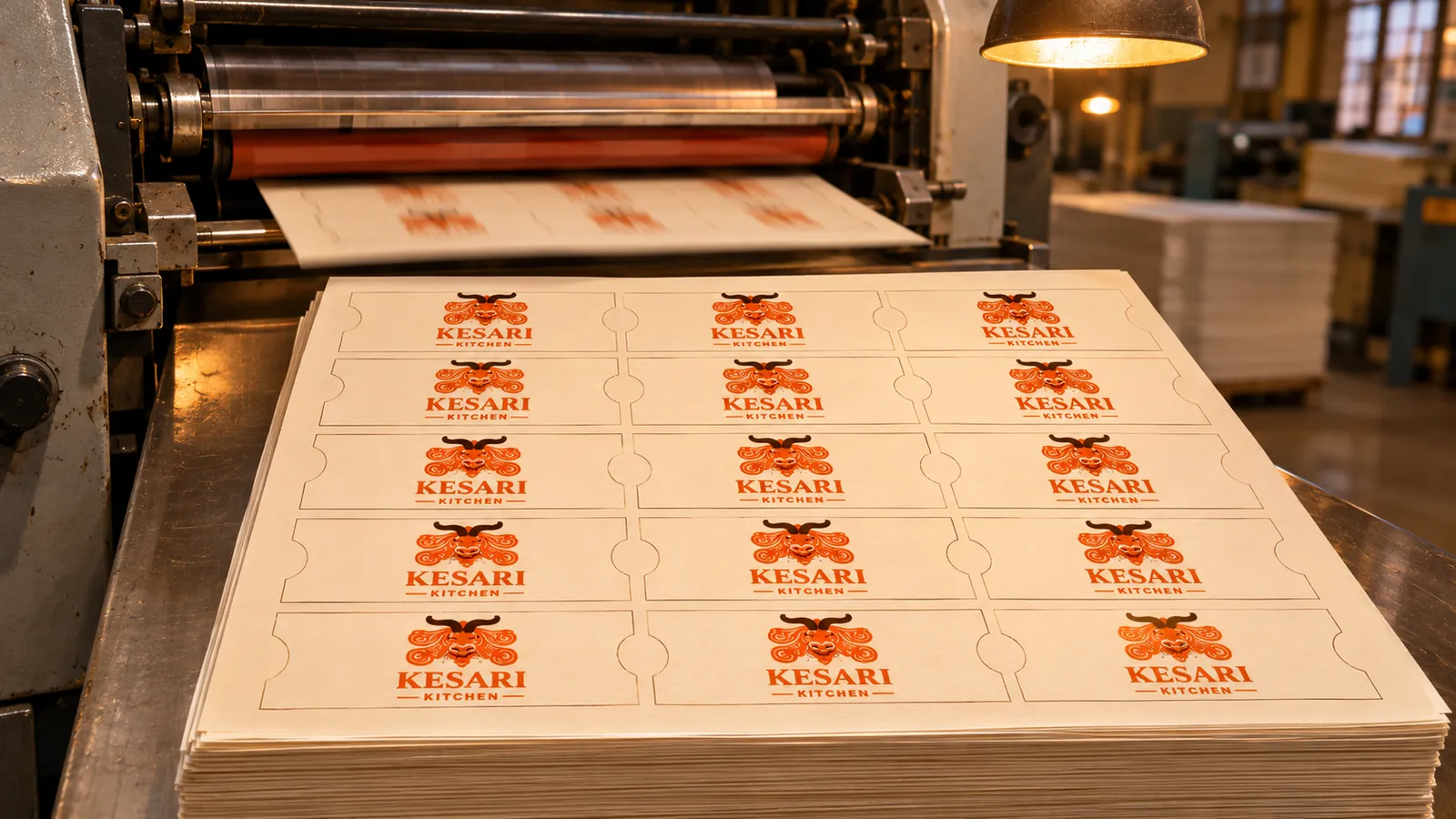
Not a finish exactly, but often part of the same conversation. Die-cutting cuts paper or board into a custom shape: a window in a box, a shaped tag, rounded corners on a card or a sticker in the shape of your logo.
When a finish is worth it
Worth it when the piece is kept, handled or given:
- Visiting cards, which get handed over and judged in seconds
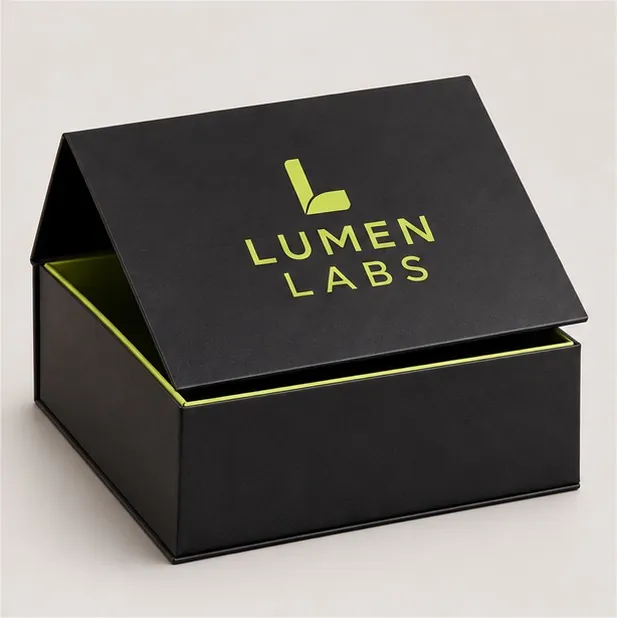
- Gift boxes and wine boxes, which are the first thing someone sees
- Luxury bags for jewellery, fashion and gifting
- Wedding invitations and certificates
- Catalogue and brochure covers
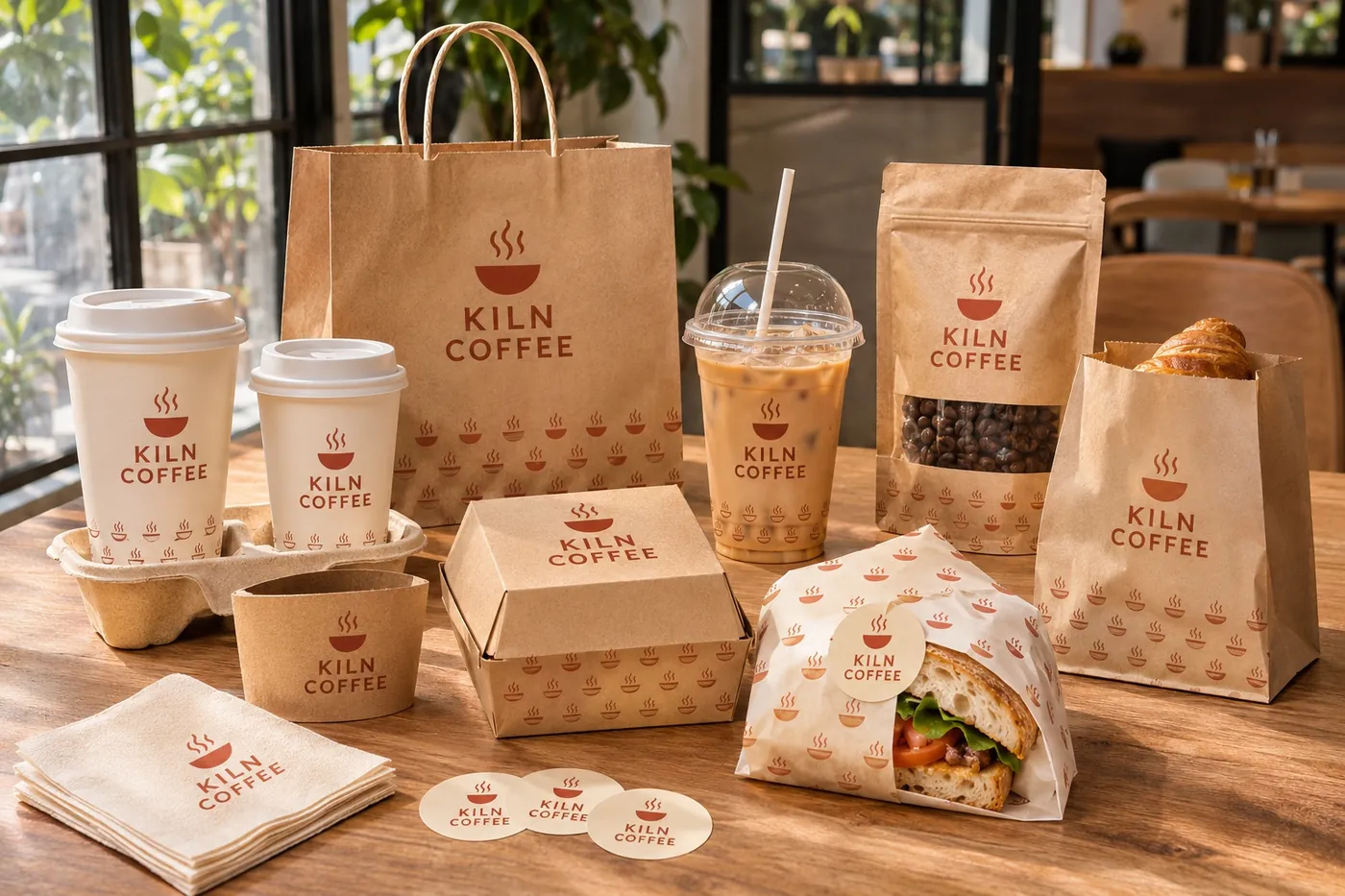
Usually not worth it when the piece is used once and thrown away fast: takeaway bags, napkins, flyers handed out on the street or anything going through a lot of handling where the finish will get scuffed.
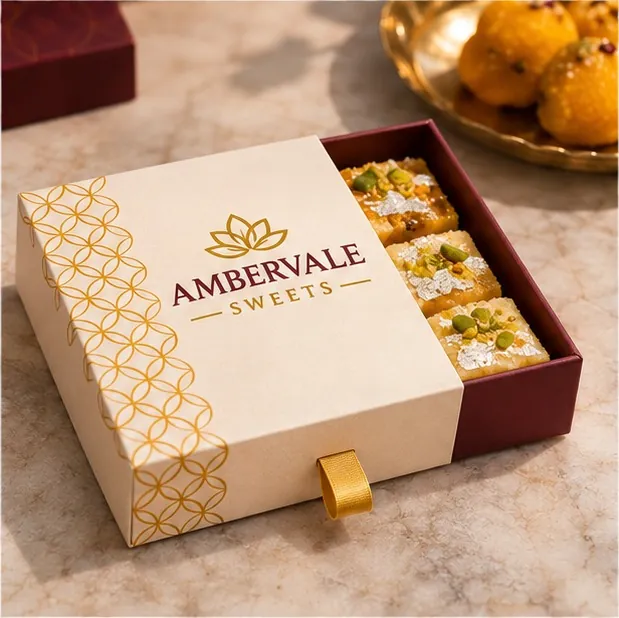
One finish is often enough. A matte box with only the logo in gold foil looks more premium than a box with foil, emboss, spot UV and a full-colour print all at once.
Getting it right
Tell us what the piece is for and the effect you want. If you’re not sure, send a photo of something you liked. We suggest the finish that suits it, show you on the mockup and confirm the paper or board it will go on. See cards and invitations for examples, or read offset vs digital printing for how the printing itself is chosen.